
Palm Frond Piles
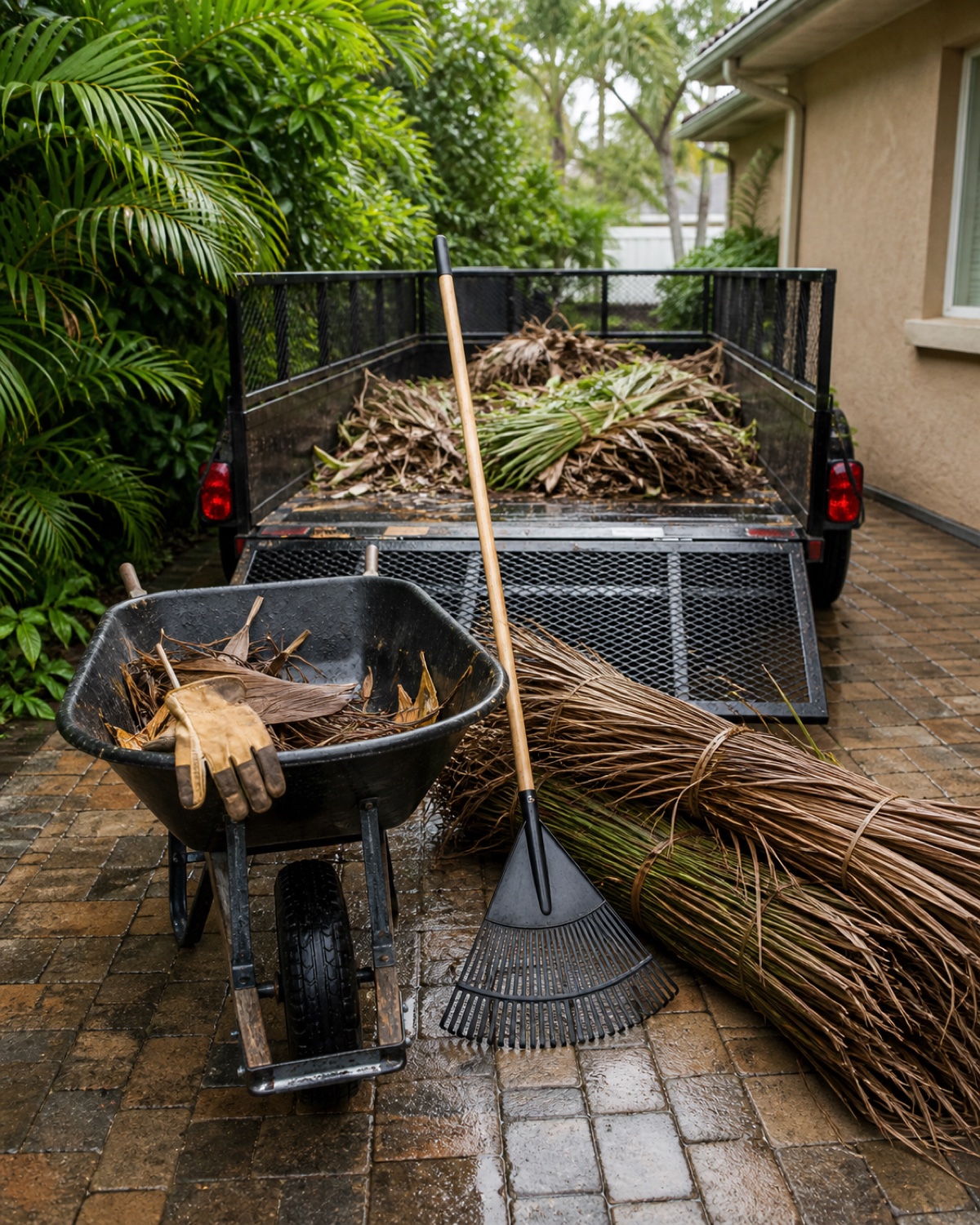
Routine trimming creates long, bulky material that quickly fills a side yard.
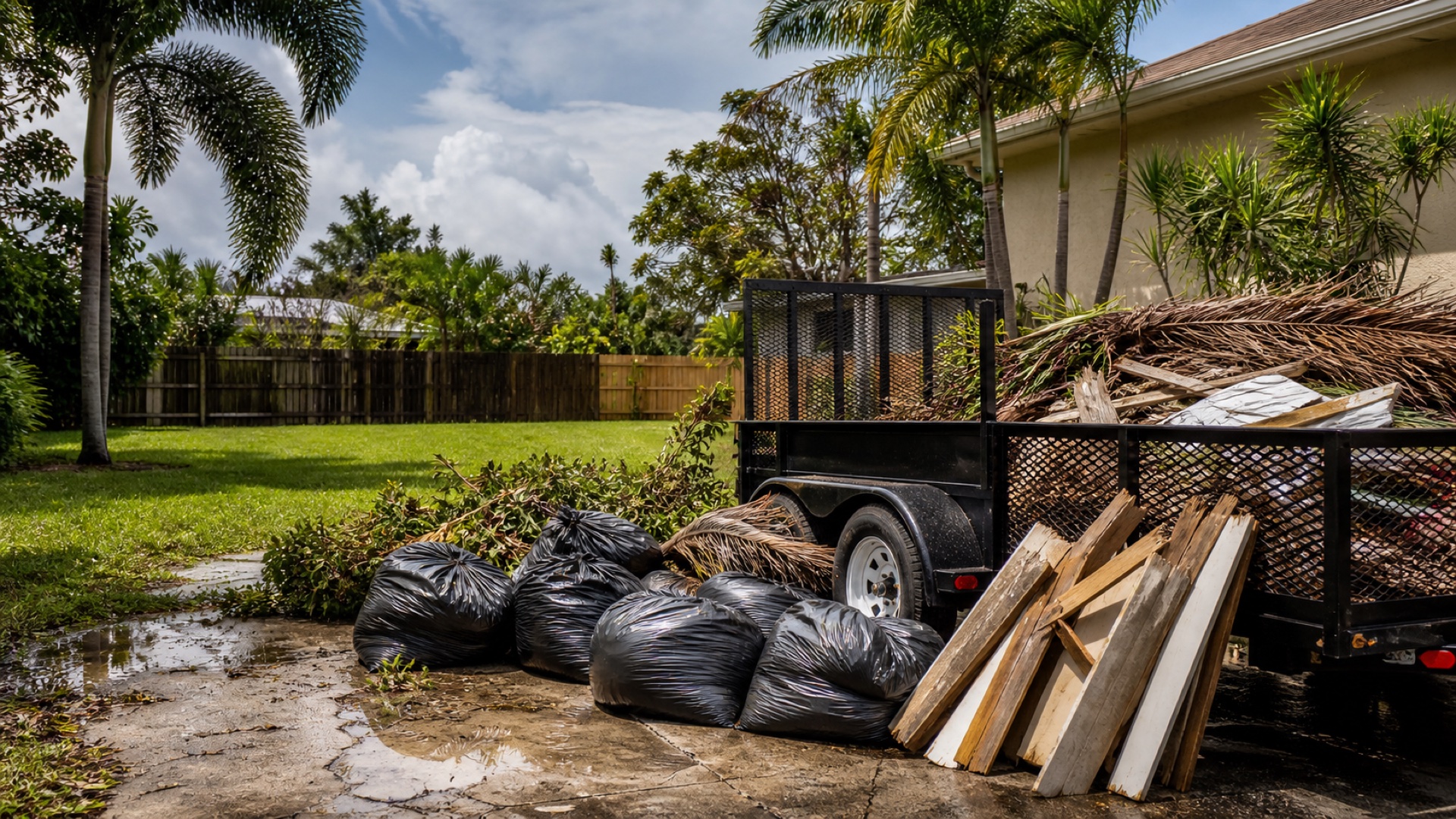
Yard Waste · Trash · Project Debris
Clear palm fronds, branches, bagged trash, and non-hazardous debris from homes and commercial properties across the listed Tampa Bay service area.
Outdoor and Project Cleanup
Separate vegetative material, household trash, and project debris before requesting removal.
Tampa yards produce branches, palm fronds, leaves, and other organic material throughout the year, especially during the long wet season and after strong weather. Property projects can add bagged trash, broken untreated wood, and other non-hazardous debris that needs a different removal plan.
Keep unlike materials in separate groups and send photos of each. Do not mix paint, chemicals, fuel, batteries, pressurized cylinders, or questionable building materials into a general load. The business can review the stated material, access, and service area before the pickup is arranged.
Debris That Builds Up
Florida vegetation, heavy rain, seasonal storms, and everyday property work all create piles that need clear sorting.
Routine trimming creates long, bulky material that quickly fills a side yard.
Wind and rain can scatter limbs and vegetative debris across usable areas.
Leaves and clippings build up when regular collection preparation is impractical.
Non-hazardous wood and cleanup debris can remain after property work ends.
Household bags and outdoor debris need to be identified as separate materials.
Debris Pickup Order
Identify the material first so vegetative waste, trash, and project debris do not become one unknown pile.
Group yard waste, bagged trash, wood, and project debris before photos.
Identify chemicals, fuel, paint, batteries, cylinders, or suspect materials.
Share gates, wet ground, narrow side yards, driveways, and pile distance.
Review the approved pile and keep drains, streets, and wanted items clear.
West-Central Florida Conditions
Official local guidance treats stormwater, vegetative waste, and post-storm material as distinct concerns.
The National Weather Service places west-central Florida's wet season from late May into October.
Palms, shrubs, and fast growth can produce bulky organic piles quickly.
Tampa warns that yard debris can block water flow and affect drainage.
Public collection guidance can change after a named storm or emergency.
Vegetative, household, and construction debris may require different handling.
City and county solid-waste service rules vary by the exact address.
Material and Safety Details
Describe leaves, grass clippings, palm fronds, branches, limbs, logs, and other vegetative material separately from fencing, lumber, bags, or household trash. The City of Tampa also separates vegetative yard waste from other materials, so a clear item-by-item list helps avoid treating unlike debris as one pile.
If Debris Is Part of a Bigger Job
Clear the Outdoor Pile
Separate views help the business identify yard waste, trash, wood, and questionable materials.
Debris Service Request
After submission, Southern Coast can review the materials, access, and listed service-area location.
Hours of Operation
Share the items, property type, and service area. The team will follow up about next steps.